

Edgefield—Where Craft, Civic Life, and Architecture Tell a Southern Story
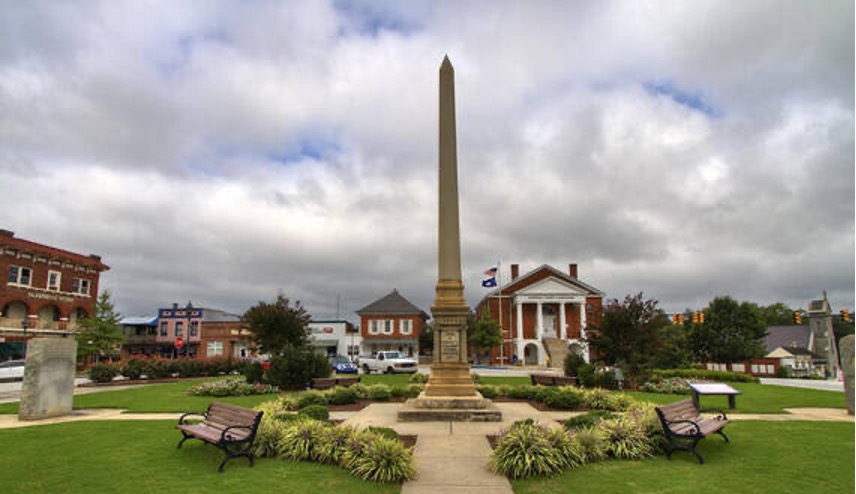
Nestled along the rolling hills of western South Carolina, the town of Edgefield offers an extraordinary glimpse into the architectural and cultural heritage of the early statehood era. Known for producing ten South Carolina governors and for its internationally celebrated pottery tradition, Edgefield’s identity is woven into its historic buildings. From the commanding presence of its courthouse to the humble kilns of its potters, the town is a rare example of how civic ambition and artisan craft can work together to shape a community’s architectural soul.
At the center of Edgefield’s architectural narrative is the Old Edgefield District Courthouse, designed by renowned architect Robert Mills and completed in 1839. With its stately classical façade, tall brick walls, symmetrical portico, and elegant pilasters, the courthouse embodies the neoclassical ideals that Mills championed throughout his career. The building’s dignified presence on Courthouse Square helped establish Edgefield as an influential political hub in the 19th century. Mills designed the courthouse to project order and civic strength, reflecting the region’s desire to build a public identity rooted in the principles of law and governance.
Surrounding the courthouse is one of South Carolina’s most historically intact town squares. Two-story brick storefronts with arched windows, parapet walls, and ironwork details line the streets, creating a walkable commercial district that has changed little in more than a century. These buildings—many dating from the late 1800s—reflect the transition from antebellum agriculture to post-war commerce. Their scale and craftsmanship illustrate how even small towns invested in architectural character, making public spaces both functional and visually engaging.
But Edgefield’s most distinctive contribution to South Carolina’s architectural story comes from its pottery tradition. Beginning in the early 1800s, local artisans developed the region’s famous alkaline-glazed stoneware, a craft blending African, European, and Native American ceramic practices. Historic kiln sites and surviving pottery workshops, including those associated with enslaved master potter Dave (also known as David Drake), stand as deeply meaningful elements of Edgefield’s built environment. These vernacular structures—simple, utilitarian, and locally built—offer profound insight into the blending of craft, culture, and survival that shaped life in the region.
Residential architecture in Edgefield adds another layer of depth to the community’s historic fabric. Antebellum homes with broad verandas, Greek Revival trim, and hand-formed brick chimneys sit alongside Victorian cottages adorned with spindlework, bay windows, and asymmetrical facades. These homes reflect the evolving tastes and fortunes of Edgefield’s residents, from prosperous plantation owners to the artisans and tradespeople who supported the town’s economy. Each structure contributes to a streetscape that feels authentically Southern, shaped by climate, available materials, and craftsmanship.
Historic churches—including Edgefield First Baptist and St. Mary’s Catholic Church—strengthen the sense of place with their steeples, stained-glass windows, and traditional layouts. These sacred spaces anchor the community both geographically and culturally, representing the continuity of worship and fellowship across generations.Edgefield’s preservation efforts underscore the mission of the South Carolina Architectural Foundation’s Heritage by Design blog series: to recognize that every building—grand or modest—helps tell a community’s story. In Edgefield, architecture becomes a tapestry of civic leadership, artistic tradition, and shared memory. Through conservation, storytelling, and community stewardship, this remarkable town reminds us that history is not just preserved in books and archives, but in the brick, mortar, and craftsmanship that endure across centuries.