

Summerville—A Resort Town Where Architecture and Nature Shape a Southern Legacy
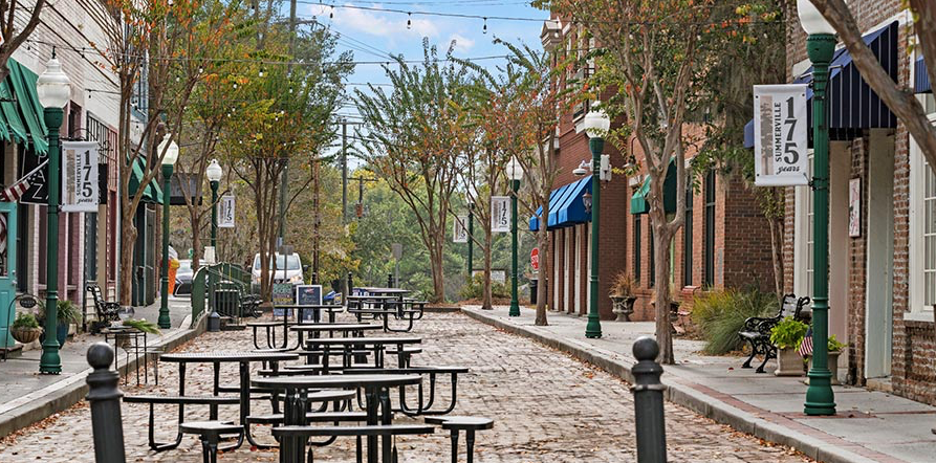
Nestled among longleaf pines northwest of Charleston, the town of Summerville stands as one of South Carolina’s most architecturally distinctive communities. Founded in the early 19th century as a summer refuge for coastal planters escaping the heat and disease of the tidal Lowcountry, Summerville evolved into a nationally recognized health resort and later a thriving residential town. Its buildings—defined by deep porches, light-filled interiors, and careful siting among trees—capture a unique chapter of Southern design shaped by climate, comfort, and a reverence for nature.
Summerville’s early architecture reflects its origins as a seasonal retreat. Throughout the town’s historic district, 19th-century cottages and villas feature broad, shaded verandas, large operable windows, and high ceilings—all designed to maximize cross-ventilation and provide relief from summer heat before the era of air conditioning. Many of these structures were built using local timber and simple craftsmanship, creating a cohesive architectural vocabulary rooted in climate-responsive design. These homes are not just visually charming; they represent some of the earliest examples of what we now call sustainable architecture.
A defining feature of Summerville is its collection of Victorian-era homes, constructed during the town’s rise as a premier health resort in the mid- to late 1800s. Queen Anne cottages with wraparound porches, bay windows, ornamental shingles, and gingerbread trim reflect the exuberant tastes of the era. These houses were often set within landscaped gardens that blended seamlessly with the surrounding pine forests, reinforcing Summerville’s identity as a nature-integrated retreat. Today, many remain beautifully preserved, offering a walkable window into Victorian leisure culture.
Summerville’s civic architecture also contributes significantly to its historic character. The Summerville Town Hall and historic train depot illustrate the town’s growth alongside the expansion of rail travel. The depot—its wood siding, gabled roof, and wide overhangs typical of 19th-century railroad design—served as the gateway for visitors seeking the town’s famed “dry, pine-scented air,” once recommended by physicians for respiratory health. Nearby, early-20th-century commercial buildings with brick façades and decorative cornices form a charming downtown streetscape that remains active today.
Religious architecture plays a central role in shaping Summerville’s sense of place. St. Paul’s Anglican Church, originally built in the 1700s and reconstructed in the 1800s, showcases Gothic Revival influences seen in its pointed arches, buttresses, and stained-glass windows. These sacred structures highlight the community’s cultural continuity and architectural sophistication.
The surrounding natural environment has always been an essential part of Summerville’s architectural story. The town passed one of the nation’s earliest tree protection ordinances in 1847, cementing its commitment to preserving the pine canopy that shaped its identity. This conservation ethic continues to influence how the community grows, blending development with deep-rooted respect for landscape.
Summerville’s traditional inns and historic hotels, including the long-lost Pine Forest Inn—a grand Victorian resort once known nationwide—add another layer to its architectural heritage. Though the inn no longer stands, its legacy lives on in surviving guesthouses and neighborhood layouts designed for relaxation and renewal.As part of the Heritage by Design series, Summerville illustrates how architecture can reflect health, environment, and hospitality in ways that define a community for generations. Its historic homes, civic landmarks, and protected natural landscape offer a compelling reminder that great design is not only about buildings—it’s about how people and place shape each other across time.