

Bennettsville—A Pee Dee Town Built on Craftsmanship, Cotton, and Civic Pride
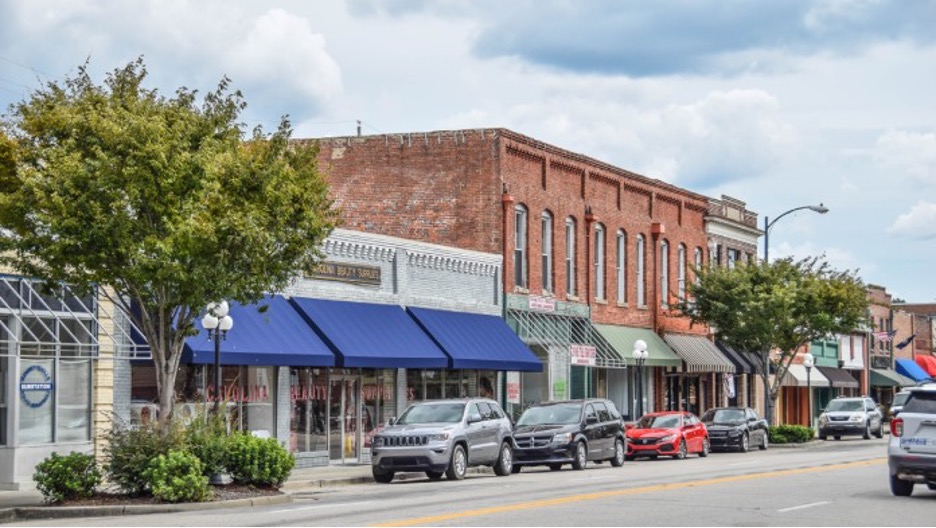
Situated near the North Carolina border in the fertile Pee Dee region, Bennettsville stands as a quiet yet remarkable showcase of Southern architectural heritage. Founded in 1819 and later thriving as a center of cotton commerce, the town developed an architectural profile that reflects both its agricultural prosperity and its civic aspirations. Today, its well-preserved homes, churches, and public buildings offer an intimate look at how design evolved in a community shaped by industry, culture, and craftsmanship.
Bennettsville’s architectural story begins with its historic residential neighborhoods, where stately Victorian and Queen Anne homes line broad, oak-shaded avenues. These houses—many built during the late 19th and early 20th centuries—reflect the tastes of merchants, planters, and civic leaders who helped establish Bennettsville as a regional hub. With their turrets, spindlework trim, wraparound porches, and asymmetrical façades, these homes exhibit the exuberance and attention to detail characteristic of the Victorian era. Painted in soft pastels or traditional whites, they anchor some of the most visually compelling streetscapes in the Pee Dee.
Complementing these grand residences are more modest Folk Victorian and early Craftsman bungalows, which demonstrate how national architectural trends filtered into small Southern towns. Craftsman homes, with their tapered porch columns, exposed beams, and low-pitched roofs, express a shift toward handcrafted simplicity during the early 20th century. These homes contributed to a cohesive neighborhood fabric where architectural variety enhances, rather than overwhelms, the town’s historic charm.
Bennettsville’s civic architecture offers some of its most striking landmarks. The Marlboro County Courthouse, completed in 1885, stands as a commanding example of Romanesque Revival and Richardsonian influences. Its heavy brick masonry, rounded arches, and robust proportions convey a powerful sense of permanence and authority. This courthouse not only embodies the community’s civic pride but also reflects the engineering and architectural sophistication found in even the smallest Southern towns during this period.
Nearby, the Jennings-Brown House, built in 1826, provides a rare surviving example of early-19th-century architecture in Bennettsville. Its simple, symmetrical façade, gabled roof, and classical detailing illustrate the Federal style that preceded the more elaborate Victorian era. Carefully preserved, the home now serves as a museum, offering insight into domestic life during the town’s formative years.
Religious architecture adds another layer of depth to Bennettsville’s historic landscape. Churches such as First United Methodist, First Baptist, and St. Paul’s Episcopal showcase Gothic Revival and Romanesque design traditions through their pointed arches, vaulted interiors, and stained-glass windows. These structures stand not just as places of worship, but as architectural anchors that have shaped Bennettsville’s social and cultural identity for generations.
The town’s commercial architecture—brick storefronts with decorative cornices, tall windows, and preserved façades—reflects its history as a mercantile center. These buildings form a compact and walkable downtown where past and present coexist, maintaining a rhythm of scale and detail that remains welcoming to residents and visitors alike.
Preservation efforts in Bennettsville underscore a deep appreciation for local heritage. Community advocates have worked to protect and restore key buildings, ensuring that the town’s architectural legacy continues to inform its identity and guide its future.As part of the Heritage by Design series, Bennettsville reminds us that remarkable architectural heritage can be found not only in South Carolina’s major cities, but also in its smaller communities—where craftsmanship, culture, and civic spirit come together to tell stories that endure across generations.