

Abbeville’s Architectural Tapestry of Civic Pride and Southern Charm
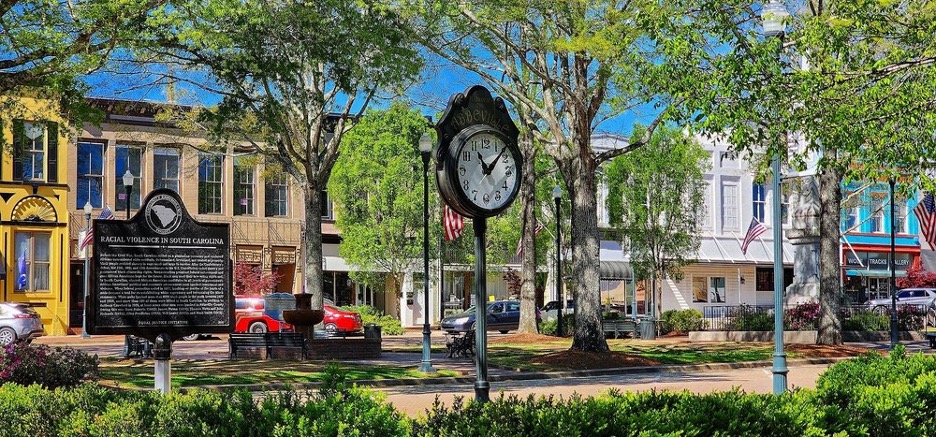
Nestled in the heart of South Carolina’s Lakelands region, the city of Abbeville stands as a remarkable testament to how small towns preserve their character through the built environment. With roots stretching back to the mid-18th century, Abbeville’s architectural landscape is a vivid expression of civic ambition, cultural identity, and the enduring value of thoughtful design. Its historic downtown—anchored by the iconic courthouse square—is one of the most picturesque and architecturally diverse in the state, offering a rich narrative of South Carolina’s past through its buildings.
At the center of Abbeville’s architectural identity is the Abbeville Opera House, completed in 1908 as part of a national movement to bring first-class entertainment to rural America. Its bold brick façade, arched entryways, and ornate detailing reflect the exuberant style of the era, blending Romanesque and Victorian influences. For decades, the Opera House served as a cultural cornerstone, hosting vaudeville shows, traveling performers, and civic events. Today, following a careful restoration, it continues to welcome audiences—proving that historic performance venues can thrive in the modern era when preservation meets community vision.
Just across the square, the Abbeville County Courthouse, built in 1908, represents a different but equally important architectural lineage. Its neoclassical design—with towering Corinthian columns, a symmetrical façade, and an imposing clock tower—communicates the ideals of fairness, stability, and civic responsibility. Courthouses across the South were often designed as architectural showpieces, and Abbeville’s is among the finest, demonstrating how public architecture shapes a community’s sense of identity and place.
Surrounding the square, a collection of late-19th-century commercial buildings creates a cohesive streetscape that feels both historic and alive. Brick storefronts with cast-iron details, decorative cornices, recessed entryways, and tall display windows reflect the economic optimism of the post–Civil War era, when Abbeville became a bustling commercial hub. These structures were designed not only for function but also for visual appeal, contributing to a pedestrian-friendly environment where architecture supports the rhythms of everyday life.
Residential neighborhoods surrounding downtown add further depth to Abbeville’s architectural story. Tree-lined streets feature Victorian homes, Queen Anne cottages, and early-20th-century bungalows, each expressing the craftsmanship and stylistic trends of its time. From wraparound porches and spindlework trim to gabled roofs and hand-laid brick foundations, these homes reflect local pride in building traditions. Many remain lovingly maintained, demonstrating the community’s commitment to preserving its residential heritage.
Abbeville’s architectural significance extends beyond its visual beauty. It reveals how design weaves together civic, cultural, and economic history—showing us what South Carolina’s small towns once aspired to be and how they continue to evolve. The town’s preservation efforts, championed by residents and local organizations, have ensured that Abbeville remains a vibrant example of how heritage and design work together to strengthen community identity.
Through Heritage by Design, the South Carolina Architectural Foundation celebrates communities like Abbeville, where architecture tells a story of enduring pride and shared memory. In Abbeville’s preserved streets and restored landmarks, we see not only the past but a roadmap for how thoughtful design can sustain a thriving future.