

Walterboro—A Lowcountry Tapestry of Tradition and Architectural Charm
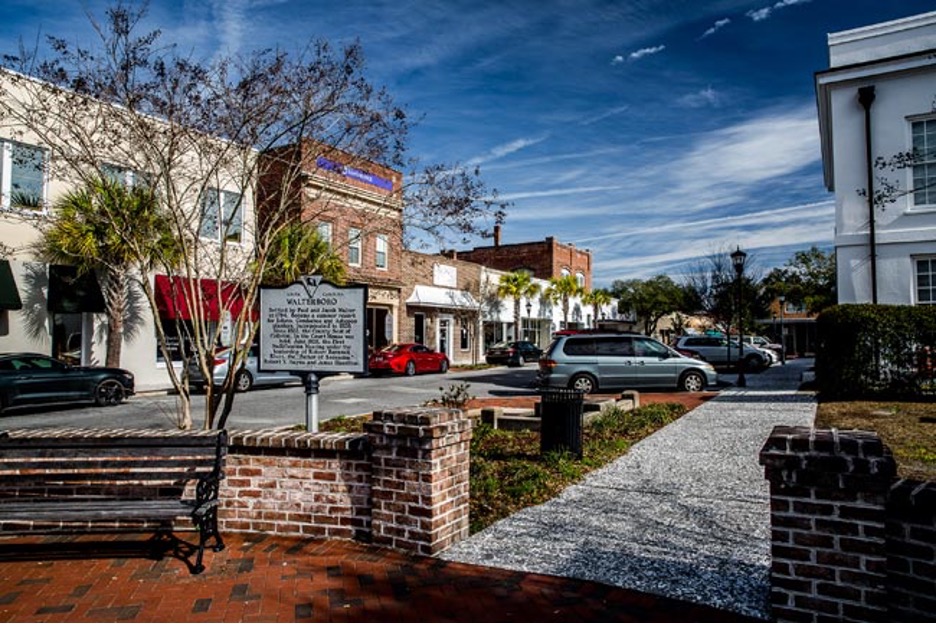
Tucked beneath moss-draped oaks along the edge of the ACE Basin, the city of Walterboro offers one of the most quietly captivating architectural landscapes in South Carolina. Founded in 1783 as a summer retreat for rice planters seeking relief from the coastal heat, Walterboro grew into a community defined by its hospitality, craftsmanship, and connection to the natural environment. Today, its preserved cottages, stately homes, and historic civic buildings reveal a rich narrative of Lowcountry history told through architecture.
At the heart of Walterboro’s architectural identity is the Walterboro Historic District, a walkable area filled with homes that date from the early 19th to mid-20th centuries. The district’s defining feature is its collection of Carolina I-houses and Victorian-era cottages, many featuring broad front porches—the architectural embodiment of the community’s nickname as the “Front Porch of the Lowcountry.” These porches served as essential social spaces, offering both shade and a connection to the street—a key characteristic of Southern domestic design.
Among the oldest and most significant landmarks is the Bedon-Lucas House, built around 1820. Its elegant symmetry, raised foundation, and Federal-style detailing reflect the refined taste of Walterboro’s early planter families. With its heart-pine floors, original mantels, and distinctive fanlight doorway, the house offers a window into the architectural ambitions of the town’s first residents.
Walterboro’s civic architecture adds another layer to its story. The Colleton County Courthouse, completed in 1822 and redesigned in 1843, is a striking example of Greek Revival influence. Its columned portico and pedimented façade embody the ideals of democracy and public order that shaped early American civic design. Nearby, the Old Jail, built in 1856, is one of the region’s most unique historic structures—its heavy brick construction and narrow windows illustrate mid-19th-century approaches to public safety and institutional architecture.
The Colleton Museum and Farmers Market, housed in a restored 1917 school building, exemplifies successful adaptive reuse. With its brick exterior, tall sash windows, and preserved interior details, the building tells the story of early 20th-century educational architecture while serving modern community needs. This blending of past and present is a hallmark of Walterboro’s preservation philosophy.
Walterboro’s neighborhoods reveal a mix of Craftsman bungalows, Queen Anne cottages, and Colonial Revival homes, each reflecting the changing architectural tastes between 1880 and 1940. Craftsman homes—with exposed beams, tapered columns, and low-pitched roofs—highlight the early 20th-century preference for natural materials and simple forms. Queen Anne residences, by contrast, display decorative spindlework, asymmetrical façades, and vibrant colors that capture the exuberance of the Victorian era.
A short walk from downtown, the Walterboro Wildlife Sanctuary connects architecture with landscape. This vast cypress swamp preserve reinforces the town’s historic identity as a retreat, where built form and natural beauty coexist harmoniously.
Today, Walterboro continues to invest in preservation as a pathway to cultural vitality. Through careful stewardship of its historic districts, restoration of key landmarks, and community-led revitalization, the town demonstrates how architecture helps small communities maintain identity while embracing change.
As part of the Heritage by Design series, Walterboro stands as a reminder that historic architecture tells not just a story of buildings—but of people, place, and the continuity of Lowcountry life.