

McClellanville—A Coastal Village Where Architecture Reflects Life on the Water
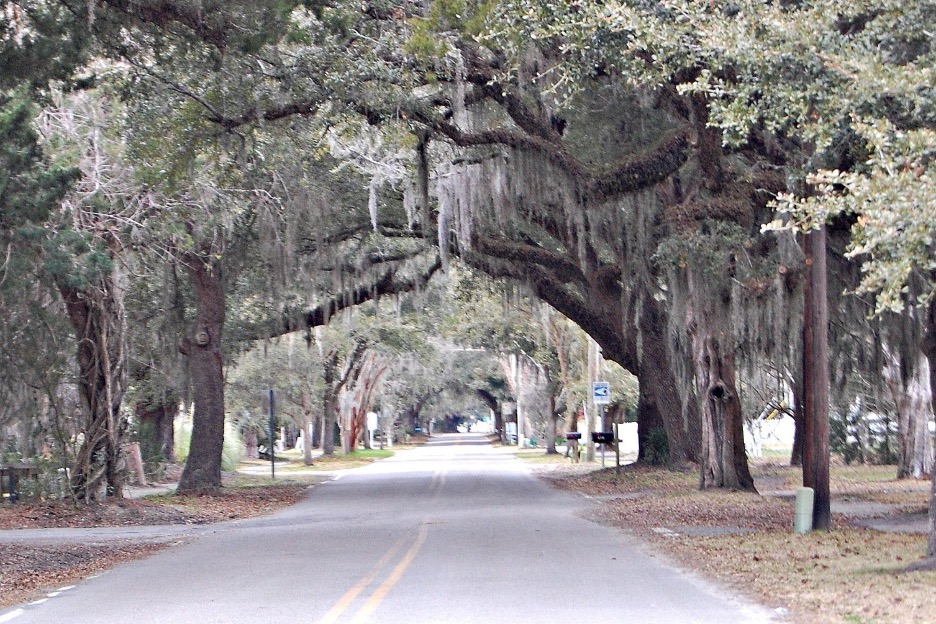
Along the edge of Bulls Bay, where salt marshes meet the Francis Marion National Forest, the village of McClellanville offers a rare glimpse into the architectural traditions of South Carolina’s working coastal communities. Founded in the late 1860s by the McClellan and Morrison families as a retreat and commercial hub, this quiet town has preserved a built environment that speaks directly to its maritime heritage. Its architecture—simple, functional, and deeply rooted in place—embodies the rhythms of coastal life and the resilience required to live at the water’s edge.
McClellanville’s historic district is defined by its distinctive vernacular coastal architecture, much of which emerged from necessity rather than stylistic ambition. Elevated houses with broad porches, vertical board-and-batten siding, and metal roofs dominate the village’s tree-lined lanes. These homes were designed to withstand summer heat, heavy rains, and occasional storm surges. Their raised foundations protect from flooding; their wide porches serve as gathering spaces; and their breezy layouts reflect the adaptive ingenuity of generations who made a life from the sea.
One of the most striking examples of McClellanville’s historic residential architecture is the McClellanville Historic District’s collection of late-19th-century cottages. Often featuring simple gable roofs, shuttered windows, and handcrafted details, these homes express the town’s origins as both a retreat for wealthy plantation families and a working waterfront village. Unlike the grand architecture of Charleston or Beaufort, McClellanville’s homes speak through humility and craftsmanship, using local materials and practical design principles suited to the coastal environment.
Religious and civic buildings play an equally important role in defining the town’s architectural character. New Wappetaw Presbyterian Church, rebuilt in 1877 after the original church on nearby Winyah Bay was destroyed, offers an elegant example of simple Gothic Revival architecture adapted for a rural coastal congregation. With its pointed arch windows, modest steeple, and crisp white siding, the church stands as a symbol of community continuity and spiritual resilience.
McClellanville’s working waterfront adds a compelling layer to its architectural identity. Structures like the historic shrimp docks, packing houses, and fishing sheds illustrate a way of life that has defined the village for more than a century. Weathered wood siding, tin roofs, and open bays for unloading catch reflect the functional beauty of maritime architecture. These buildings may not fit traditional definitions of “historic elegance,” but they are essential to McClellanville’s story—bearing witness to the labor, craft, and local economies that shaped the community.
The village’s built environment also reflects the profound influence of natural forces. McClellanville has endured hurricanes, including the devastating impact of Hurricane Hugo in 1989. Many of the town’s historic homes survived because of their elevated foundations, robust construction, and thoughtful placement on the landscape. Their resilience illustrates the importance of climate-responsive architecture—a lesson increasingly relevant today.
Preservation in McClellanville is rooted in a shared desire to protect both cultural heritage and environmental character. Residents have long advocated for maintaining the village’s scale, materials, and relationship to the marsh and forest. The result is a town where architecture and nature remain intertwined, and where history feels authentically lived rather than curated.
Through Heritage by Design, the South Carolina Architectural Foundation celebrates communities like McClellanville—places where the built environment not only preserves the past but continues to shape a meaningful sense of place. In McClellanville’s modest homes, churches, and working waterfront, we see architecture that quietly honors its environment, its people, and its enduring coastal story.